Understanding Your Clients
The foundation of an effective landscape design website begins with understanding the people visiting it. Homeowners, property managers, and developers arrive with specific goals — whether they’re looking for inspiration, evaluating your expertise, or requesting a consultation. Knowing what they expect helps shape every aspect of the site, from layout to content, ensuring visitors can easily find the information they need to move forward.
Gathering insight into client preferences is key. Feedback from past projects, consultations, and analytics data can reveal what matters most — visual examples of completed work, clear service descriptions, pricing expectations, or trust signals like testimonials. This understanding allows you to create a site that anticipates questions, highlights expertise, and guides visitors toward contacting you.
Without this client-focused approach, a website can feel disconnected or confusing. Developing client personas — such as residential homeowners seeking curb appeal or commercial clients planning large-scale installations — helps keep real user goals in mind. Designing around these perspectives ensures your site aligns with how potential clients actually research and select landscape professionals.
Simplicity is Key
When potential clients visit a landscape design website, they’re often looking for inspiration and reassurance. Overloading them with cluttered layouts or excessive information can distract from your work and weaken their impression. A clean, straightforward design keeps the focus on what matters most — your projects, services, and expertise.
Clear navigation allows visitors to quickly browse galleries, learn about services, and request consultations without frustration. Organized menus, intuitive buttons, and concise content guide users naturally through the site. Eliminating unnecessary elements ensures that each page supports a purpose rather than competing for attention.
Visual hierarchy is especially important in this industry. Strategic use of imagery, typography, and spacing helps draw attention to featured projects and key messaging. By presenting content in a balanced and visually appealing way, you create an experience that reflects the professionalism and aesthetic quality clients expect from a landscape designer.
Optimizing for Mobile and Speed
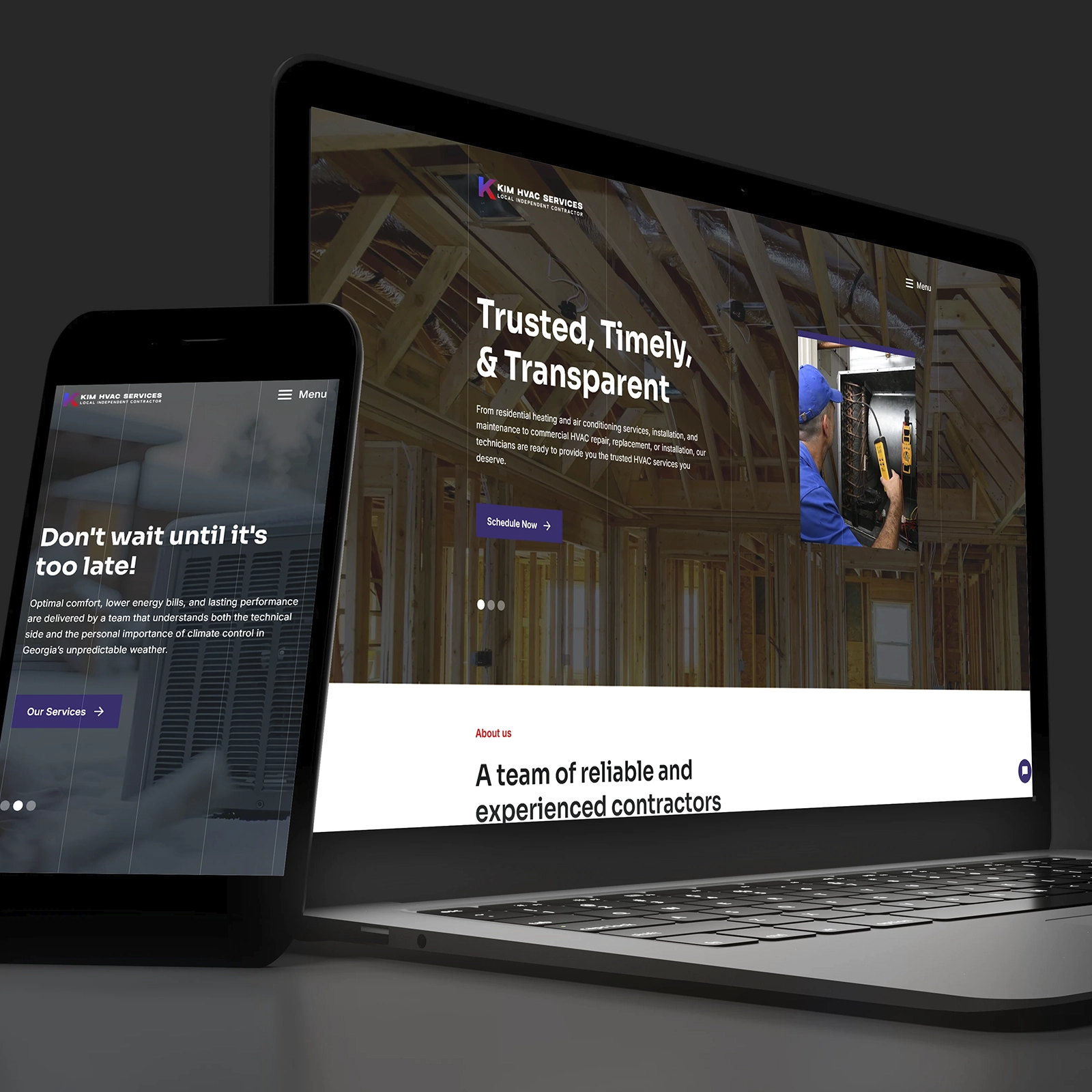
Today’s clients often browse service providers from their phones while at home or even standing in their yard planning improvements. A mobile-optimized website ensures your portfolio, contact forms, and service descriptions are accessible and visually appealing on any screen size. Responsive design allows your site to adapt seamlessly, maintaining ease of use across devices.
Speed is equally critical. Slow-loading pages — especially image-heavy galleries — can discourage visitors before they even view your work. Optimizing images, reducing unnecessary scripts, and using dependable hosting solutions keeps your site fast and responsive, improving both usability and credibility.
Regular testing completes the process. Reviewing your site across different devices and browsers ensures a consistent experience for all visitors. By identifying and resolving issues early, you maintain a polished digital presence that encourages potential clients to explore your work and reach out for their own landscape proje