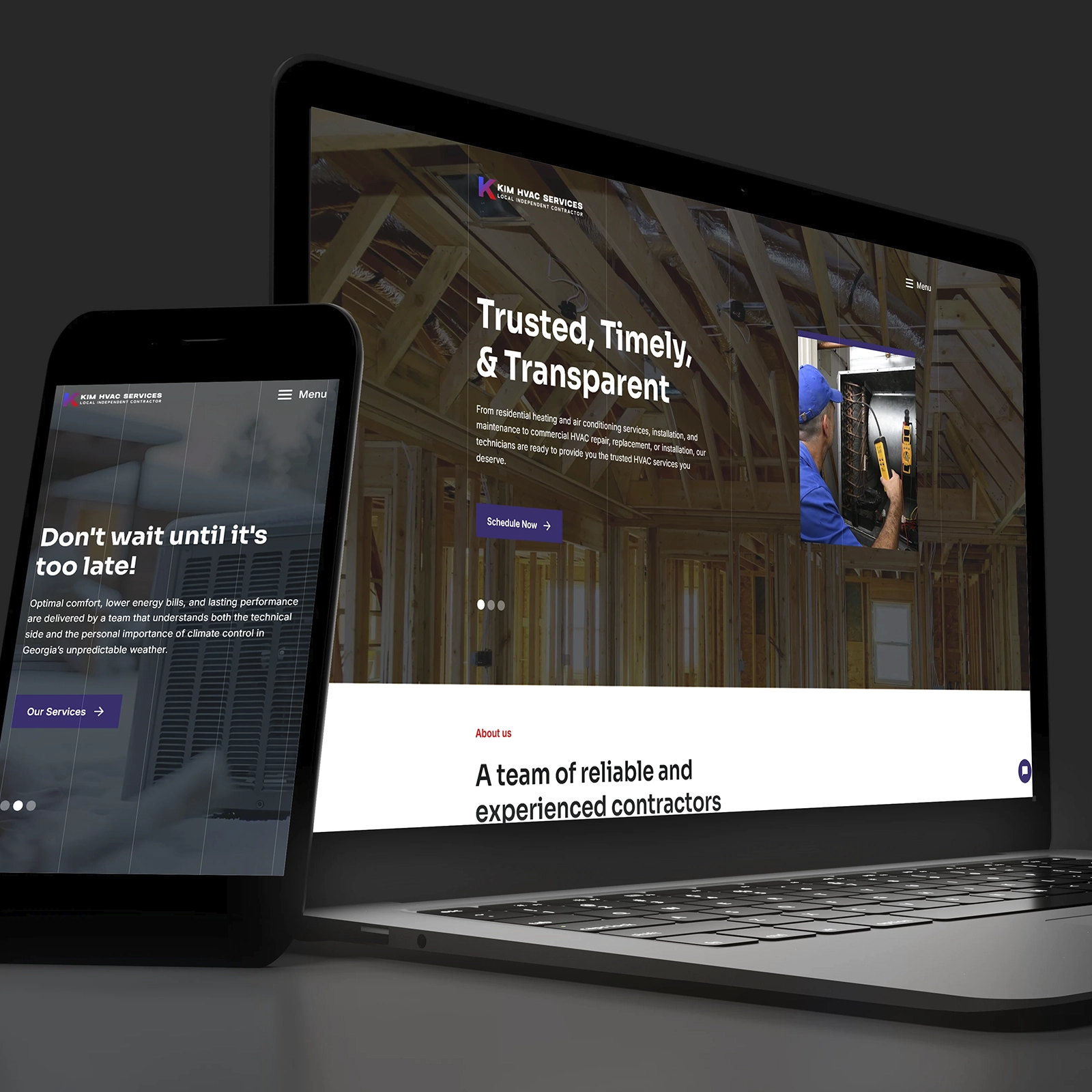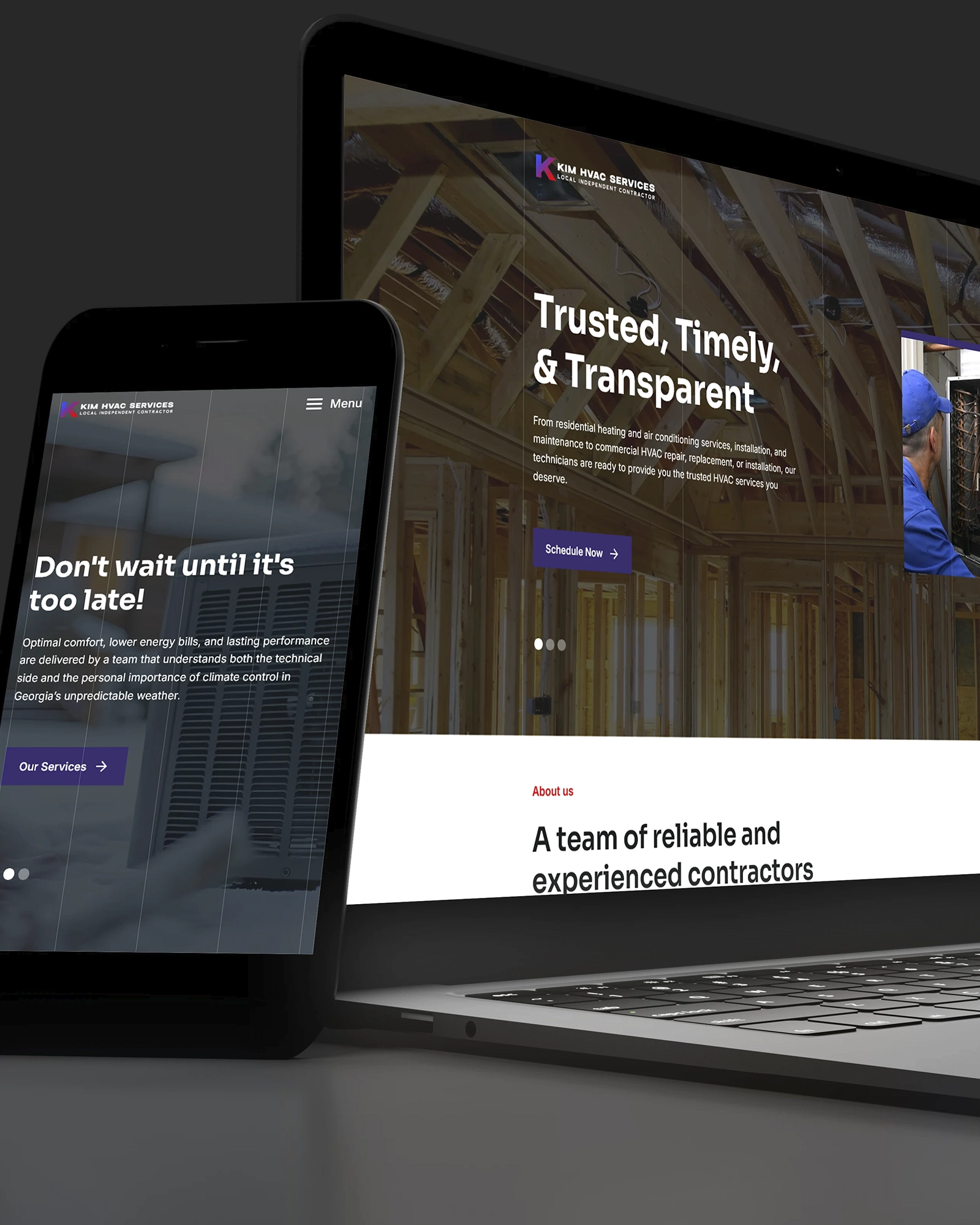
Adapting to Client Behavior
Today’s landscape design clients browse websites from a wide range of devices — smartphones, tablets, and desktop computers. Many are scrolling through project galleries on their phone, standing in their yard, or researching contractors in the evening. A responsive website ensures your site adapts smoothly to any screen size, delivering a consistent, professional experience no matter how or where it’s viewed.
Responsive design goes beyond visual appeal — it directly affects usability. When your website automatically adjusts layouts, images, and content for smaller screens, it becomes easier for visitors to navigate services, view project photos, and contact you. Eliminating the need to zoom, scroll excessively, or deal with broken layouts keeps potential clients engaged and focused on your work.
Without responsive design, you risk losing prospects before they ever see your portfolio. A website that’s difficult to use on mobile devices can quickly push visitors to a competitor with a smoother experience. This not only impacts engagement but can also weaken trust in your professionalism and attention to detail — qualities that matter greatly in the landscape design industry.
Enhancing the Client Experience
A responsive landscape design website plays a key role in creating a positive first impression. When visitors can easily browse your projects, read about your services, and request consultations from any device, it builds confidence and credibility. A seamless experience signals that your business is modern, organized, and reliable.
Responsive layouts also allow you to prioritize what matters most. Whether highlighting featured projects, core services, or calls-to-action, responsive design adjusts the visual hierarchy to guide users toward important information on any screen size. This ensures homeowners and commercial clients alike quickly understand your value and next steps.
By reducing frustration and improving ease of use, responsive design increases overall satisfaction. Visitors who enjoy their experience are more likely to reach out, save your site, or recommend your business. In many cases, responsive design directly influences consultation requests and long-term client growth.
SEO and Competitive Advantage
Beyond user experience, responsive design significantly impacts search visibility. Search engines like Google prioritize mobile-friendly websites, meaning a responsive landscape design site is more likely to rank higher in local and organic search results. Higher rankings lead to increased visibility, more qualified traffic, and more opportunities to win projects.
A single responsive website also simplifies content management. Instead of maintaining separate desktop and mobile versions, all users interact with the same site and content. This consistency improves SEO performance and avoids issues like duplicate content or fragmented analytics.
As responsive design becomes the standard, landscape design businesses that fail to adapt risk falling behind. Meeting modern user expectations not only improves engagement but also strengthens your competitive position in a crowded market. A responsive website ensures your business remains accessible, credible, and ready to convert interest into real-world projects.